
UN Accused Of Ignoring War Crimes In Sri Lanka

NEWS JUNKIE POST
May 18, 2010 at 12:02 pm
A year after its military victory against the Tamil Tiger rebels a prominent international human rights organization is accusing the Sri Lankan government of war crimes, and blaming the United Nations and the international community for turning a blind eye on civilian suffering.
According to a UN estimate, 7,000 civilians were killed during last year offensive against the Tamil Tigers. The report from the International Crisis Groups indicates that this number has been grossly underestimated. In May 2009 more than 300,000 Tamil civilians were herded into camps, while there were many credible accusations of troops firing on civilians, and preventing them from leaving the war zone.
“The United Nations needs to examine its behavior in the last few months of the war, when it was often more concerned about maintaining its ability to work with the Sri Lankan government than it was for standing up for the values the UN represents. And this is particularly true in the case of conflict areas where the UN should side with the important rule of not allowing civilians to be slaughtered. We do feel the UN failed as an institution in many of these areas,” says International Crisis Group’s (ICG) Robert Templer.
The ICG says that during the conflict, the UN too readily complied with the government’s request to withdraw from conflict areas. The ICG also blames foreign powers for going along with blatant violations of international law because they welcomed the Tamil Tigers defeat, regardless of great civilian suffering and a clear challenge to the laws of war. According to the ICG, there was a “deliberate effort to target humanitarian action and hospitals by the Sri Lankan military, and those constitute war crimes under the Rome statute”.
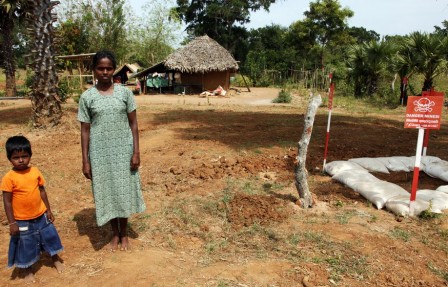
Meanwhile, an organization set up by the Tamil diaspora, The Global Tamil Forum, is observing today as a day of mourning and remembrance for Tamil Tiger fighters and civilians killed in the conflict. In its letter to commemorate the first anniversary of the massacre the president of Global Tamil Forum, Father SJ Emmanuel, calls for the Tamil diaspora to “unite and double up their efforts in informing and engaging their respective governments and international human rights organization about the current situation in Sri Lanka”.
Emmanuel calls upon the Sri Lankan government to stop the systematic destruction of Tamil war cemeteries and to “free and render justice to all the thousands kept in camps and military custody”.
To read the report from the International Crisis Group click here. To read the letter of Mr. Emmanuel, president of Global Tamil Forum click here.
Related Articles






One Response to UN Accused Of Ignoring War Crimes In Sri Lanka
You must be logged in to post a comment Login